New Zealand's Overseas Investment Act is navigable, but only if you understand it from the beginning of your acquisition, not after you have made an offer.
New Zealand's Overseas Investment Act restricts or regulates the acquisition of certain land and assets by overseas persons. For international buyers, understanding whether a property falls within its scope, and if so, what the pathway to consent looks like, is not optional. It is the foundation of the entire acquisition.
I provide practical, current guidance on what the OIA permits, how acquisitions are typically structured to meet its requirements, and where specialist legal counsel must be engaged to manage the consent process. I work closely with OIA-specialist lawyers, known to me personally, who are engaged on a case-by-case basis when required.
Geography is no barrier. Clients engage with me from Singapore, London, Dubai, Hong Kong, and across the United States. The process is managed remotely, with full transparency at every stage.
01
The OIA applies to overseas persons, broadly, individuals who are not New Zealand citizens or residents, and entities that are overseas-controlled. Whether you are caught by the Act depends on your residency status and how your acquisition is structured.
02
Sensitive land, including certain coastal and foreshore land, islands, land over five hectares, and land near conservation areas, requires OIA consent for overseas buyers. Not all property does. Understanding the distinction early is critical.
03
Recent legislative changes have created defined pathways for qualifying international investors. The Active Investor Plus visa, when properly structured, opens residential acquisition opportunities that were previously unavailable to most overseas buyers.
04
How you hold the property, personally, through a trust, through a New Zealand company, or via another structure, has significant implications for OIA eligibility, tax treatment, and succession. These decisions must be made before commitment, not after.
"The OIA is not a barrier. It is a framework. Understood correctly from the beginning, it rarely prevents a well-structured acquisition."
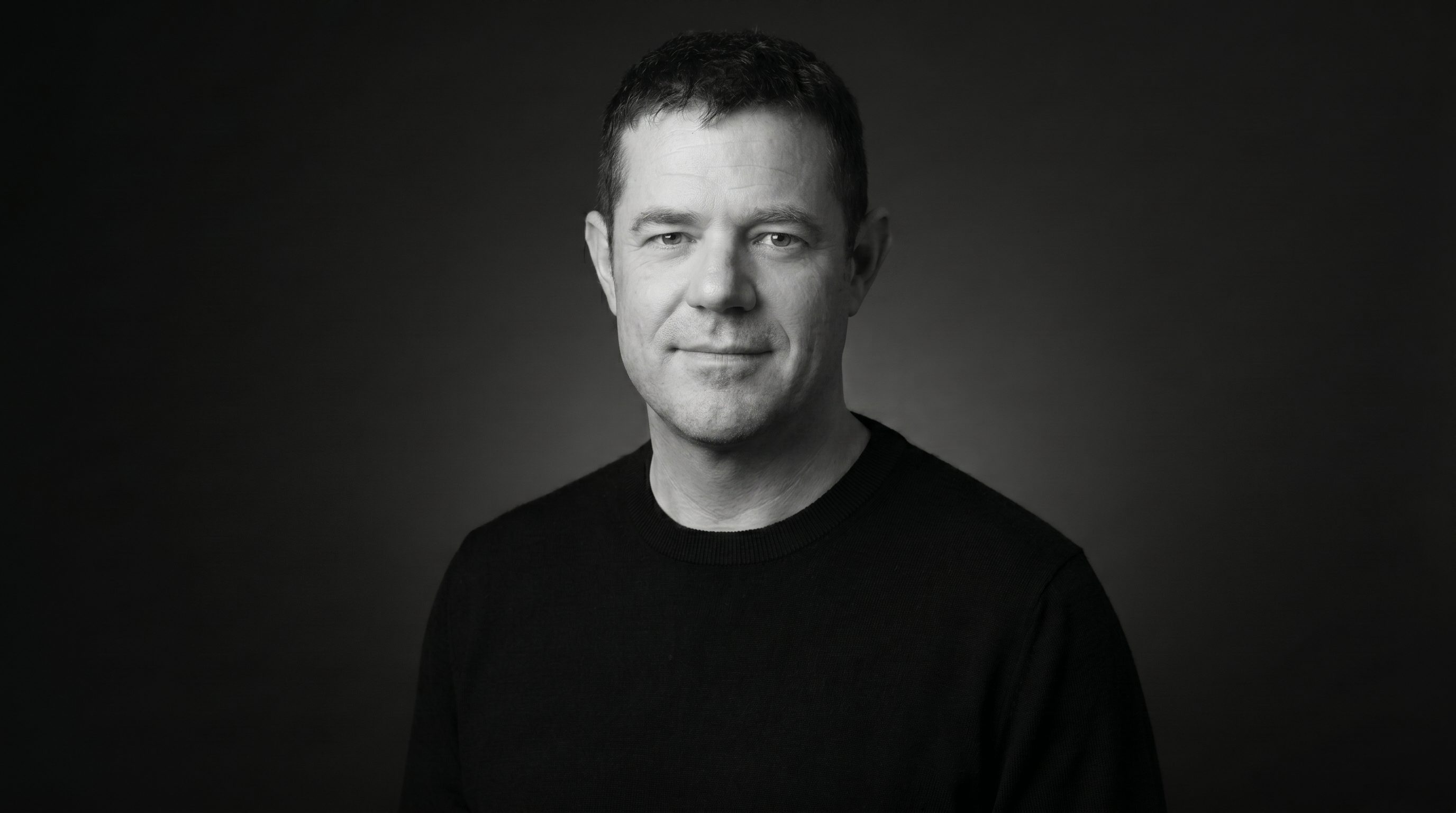
The Advisor, KĀHŪ PRIVATE
Before you commit to any property, I assess whether it is likely to require OIA consent and explain the implications for your acquisition timeline and structure. This happens at the search stage, not after you have made an offer.
Where OIA consent is required, I introduce you to specialist legal counsel, New Zealand lawyers with deep experience in OIA applications, who manage the consent process on your behalf. They are engaged case-by-case, and I remain your primary point of contact throughout.
Working alongside legal and tax advisors, I ensure that the ownership structure for your acquisition is established correctly from the outset, taking into account OIA requirements, tax implications, and your longer-term intentions for the property.
For clients pursuing the Active Investor Plus visa, I coordinate with licensed immigration advisors and legal counsel to ensure the property acquisition aligns with the visa requirements. The two processes are managed in parallel, not sequentially.
Every aspect of the OIA process can be managed remotely. Clients have successfully acquired New Zealand property from across the world without being physically present until they choose to be. The process is document-driven, and I manage every step on the ground.
There is no obligation attached to making contact. Every enquiry is handled personally and in complete confidence.
Begin a Private Enquiry